
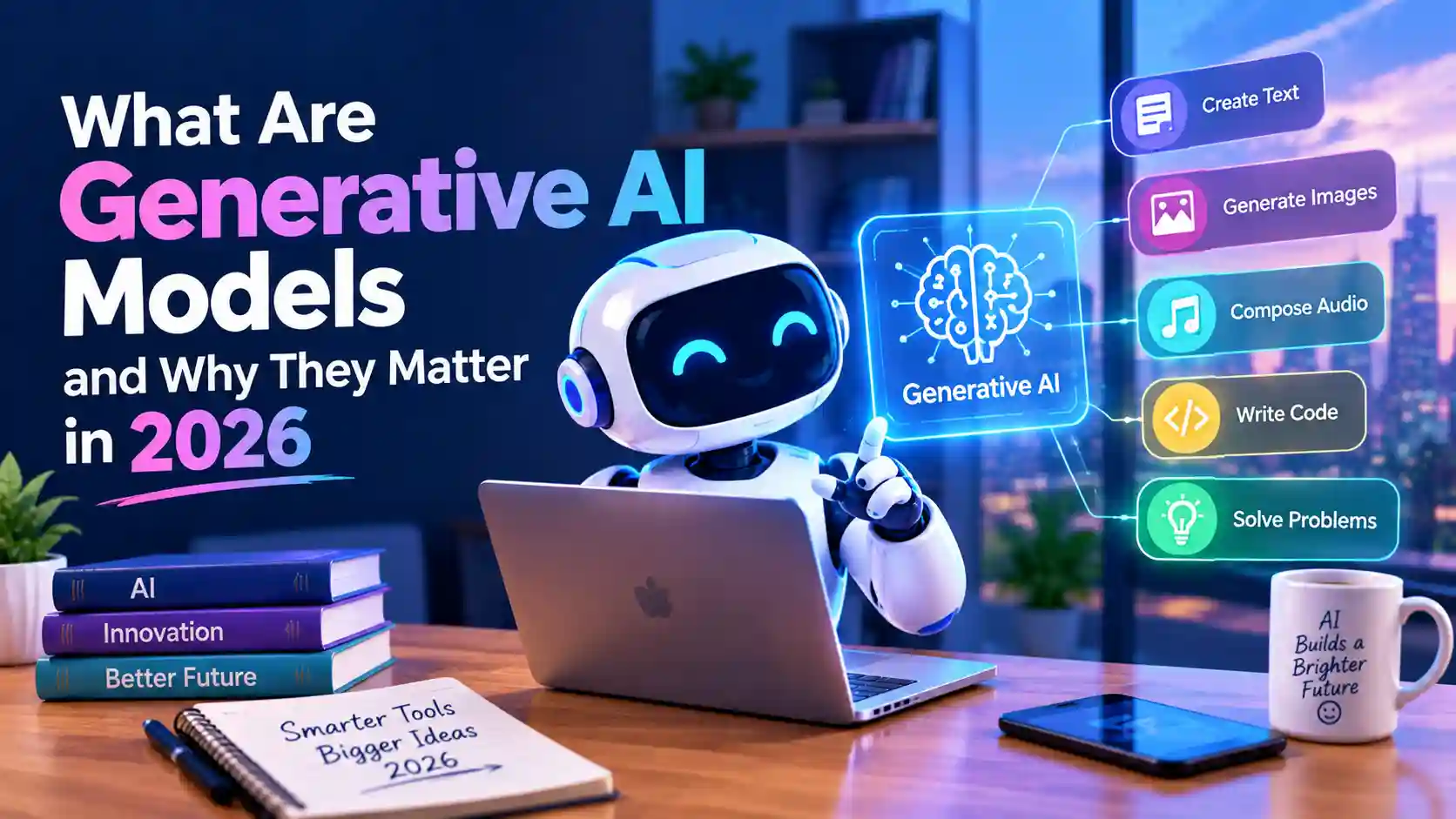
Most business owners feel stuck when new technology moves faster than they can learn it. They hear about generative AI models everywhere, yet nobody explains what these tools actually do or why they matter for everyday work. That confusion costs time, money, and confidence in a market that keeps shifting.
The good news is that generative AI models are easier to understand than they sound. This guide breaks down what they are, how they work, and how real businesses use them. By the end, readers will know exactly how to put generative AI models to work without the tech jargon getting in the way.
What Generative AI Models Actually Do
Generative AI models are computer programs trained to create new content instead of just analyzing existing content. They study huge amounts of text, images, or audio, then learn the patterns hidden inside that data. Once trained, they can produce brand-new writing, pictures, code, or sound that never existed before.
This ability sets generative AI models apart from older software. Traditional programs follow fixed rules and only do what a person directly tells them to do. Generative AI models instead predict what should come next based on everything they have learned, which lets them write a blog post, design a logo, or answer a question in natural language.
How Training Data Shapes the Output
Every generative AI model learns from a training dataset, and that dataset shapes everything the model can produce. Developers feed the system millions of examples, from books and articles to images and code snippets. The model studies these examples over and over until it recognizes patterns in grammar, style, color, and structure.
This process explains why some generative AI models write in a formal tone while others sound casual. It also explains why quality control matters so much during training. A dataset full of errors or bias will produce a model that repeats those same mistakes, so responsible developers spend significant time cleaning and checking their data before training even begins.
The Role of Neural Networks
Underneath every generative AI model sits a neural network, which is a system loosely inspired by how the human brain processes information. These networks contain layers of connected nodes that pass signals to each other, adjusting their connections as they learn from data. The more layers a network has, the more complex patterns it can recognize.
Most modern generative AI models use a specific neural network design called a transformer. Transformers excel at understanding context, which means they can track how words or images relate to each other across long stretches of content. This is exactly why chatbots can hold a coherent conversation instead of losing track of the topic after a few sentences.
Why “Generative” Is the Key Word
The word generative separates these tools from earlier AI systems built only for classification or prediction. A classification model might sort emails into spam or not spam, but it cannot write a new email. A generative AI model, on the other hand, can draft that email from scratch based on a short prompt.
This creative capability opens doors that older AI never could. Businesses can now generate marketing copy, product descriptions, or customer support replies in seconds. Because the output is original rather than copied, teams save hours of manual writing while still keeping full control over the final edit.
The Main Types of Generative AI Models
Generative AI models come in several forms, and each one handles a different kind of content. Understanding these categories helps businesses pick the right tool for the right job instead of forcing one model to do everything. Some models focus on language, while others specialize in images, audio, or even video.
Choosing the correct type matters because mismatched tools waste time and produce weak results. A model built for image generation will not write a compelling blog post, just as a text-based model cannot design a logo. Matching the model type to the task is the first step toward getting real value from generative AI models.
Large Language Models
Large language models, often shortened to LLMs, generate written text based on a prompt. These models power popular chatbots and writing assistants, and they can draft emails, summarize documents, translate languages, or answer questions in plain language. Because they train on massive text datasets, they understand grammar, tone, and context remarkably well.
Businesses use large language models for customer service scripts, marketing content, and internal documentation. Some teams even rely on ready-made platforms like Flint AI to test these outputs before rolling them out at scale. The key benefit is speed, since a task that once took an hour of writing can now take minutes of prompting and editing. However, human review still matters, because these models can occasionally produce confident but incorrect statements.
Image and Video Generation Models
Image generation models turn written descriptions into original pictures, while video generation models extend that same idea to moving footage. A marketer can type a short description of a product scene and receive a finished image within seconds, no camera or photo studio required. This has changed how small businesses handle visual content on tight budgets.
These models learn from massive collections of labeled images, connecting words like “sunset” or “modern kitchen” to visual patterns. As the technology matures, video generation is following the same path, letting creators produce short clips from text prompts. Both categories still require careful prompting to get consistent, on-brand results.
Audio and Code Generation Models
Audio generation models create music, voiceovers, and sound effects from text prompts or short audio samples. Podcasters and video creators use these tools to add narration or background music without hiring outside talent for every project. Some models can even mimic a specific vocal style, which raises both creative opportunities and ethical questions.
Code generation models, meanwhile, write and complete programming code based on natural language instructions. Developers use them to speed up repetitive coding tasks, catch bugs, or learn new programming languages faster. Because software errors carry real consequences, most teams still review AI-generated code line by line before shipping it.
Why Businesses Are Adopting Generative AI Models So Fast
Adoption of generative AI models has accelerated across nearly every industry. According to McKinsey’s tracking data, 65% of organizations now use generative AI in at least one business function, a rate that has roughly doubled within about ten months. That pace shows this technology has moved well past the experimental stage for most companies.
Enterprise-level adoption is climbing even faster. Gartner projects that more than 80% of enterprises will have used generative AI APIs or deployed generative AI-enabled applications in production by the end of 2026, up from less than 5% just a few years earlier. That kind of growth curve rarely happens with business technology, which signals just how much value companies are finding in these tools.
Cost and Time Savings
The biggest driver behind adoption is simple: generative AI models save both time and money. Tasks that once required a full team, like drafting reports, designing graphics, or writing product listings, can now happen in a fraction of the time. That efficiency frees employees to focus on strategy and relationship-building instead of repetitive production work.
Smaller businesses benefit the most from this shift because they often lack large creative or technical teams. A single marketer with access to generative AI models can now produce content that once required an entire department. This levels the playing field between small companies and larger competitors with bigger budgets.
Competitive Pressure Across Industries
Marketing and IT departments have led the charge, but other industries are catching up quickly. Finance, healthcare, and legal teams are beginning to trust generative AI models for reporting, documentation, and research support, even though regulatory requirements slow the pace in those fields. Companies that delay adoption risk falling behind competitors who already use these tools daily.
This competitive pressure creates a cycle where adoption feeds more adoption. As more businesses show measurable results, other companies feel pushed to test generative AI models themselves rather than risk being left behind. That momentum explains why the technology has spread so quickly across so many different sectors in such a short time.
How to Choose the Right Generative AI Model for Your Business
Picking the right generative AI model starts with defining the actual problem a business wants to solve. A company that needs faster blog content has very different needs than one that wants automated customer support replies. Writing down the specific goal first prevents wasted time testing tools that were never a good fit.
Budget and technical skill also shape the decision. Some generative AI models come as simple, ready-to-use apps, while others require coding knowledge to integrate into existing systems. Businesses without a technical team should look for user-friendly platforms first, then consider more advanced options as their needs grow.
Matching the Model to the Task
Every generative AI model has strengths and weaknesses, so matching the tool to the task matters more than chasing the newest release. A business focused on written content should prioritize large language models, while a company that needs product photos should look toward image generation tools. Trying to force one model to do every job usually leads to disappointing results.
It also helps to test a few options before committing. Many generative AI models offer free trials or limited free tiers, which gives teams a low-risk way to compare output quality, ease of use, and overall fit. Running a short trial period often reveals issues that a feature list alone would never show.
Evaluating Accuracy and Safety
Not every generative AI model handles accuracy the same way, so evaluation matters before any tool touches customer-facing work. Businesses should test outputs against known facts and watch for confident but incorrect answers, since even advanced models can make mistakes. A human review step should stay part of the workflow, especially for anything published publicly.
Data privacy deserves equal attention during evaluation. Some generative AI models store or learn from the prompts users submit, which raises concerns for businesses handling sensitive information. Reading the provider’s data policy before uploading confidential material protects both the company and its customers from unwanted exposure.
The Future of Generative AI Models
Generative AI models are only going to become more capable in the coming years. Multi-agent systems, where several specialized models work together on a single task, are already gaining traction among enterprise users. This shift points toward AI that can manage entire workflows rather than just answering single prompts.
At the same time, businesses are paying closer attention to measurable returns rather than novelty alone. Many organizations are still working out how to track return on investment consistently, which means the companies that build clear measurement systems now will have a real advantage later. Generative AI models will keep evolving, but the businesses that succeed will be the ones pairing the technology with clear goals and steady human oversight.
Frequently Asked Questions
What is a generative AI model in simple terms?
A generative AI model is a computer program trained to create new content, like text, images, or audio, based on patterns it learned from large amounts of data. Instead of just following fixed rules, it predicts and generates original output from a prompt.
How do generative AI models learn?
They learn by studying massive datasets during a training process, adjusting internal connections called neural networks until they recognize patterns in language, images, or sound. This training allows them to generate new content that follows similar patterns.
Are generative AI models the same as chatbots?
Chatbots are one application of generative AI models, usually built on large language models. Not every generative AI model is a chatbot, since some specialize in images, audio, video, or code instead of conversation.
Can generative AI models make mistakes?
Yes, generative AI models can produce inaccurate or misleading information, even when the output sounds confident. Human review remains important, especially for content used in customer-facing or high-stakes situations.
Which industries use generative AI models the most?
Marketing and IT departments currently lead adoption, followed closely by customer service teams. Finance, healthcare, and legal industries are adopting generative AI models more slowly due to stricter regulatory and accuracy requirements.
Do small businesses benefit from generative AI models?
Small businesses often benefit the most because generative AI models let a small team produce content and support work that once required a much larger staff. This helps smaller companies compete with larger businesses that have bigger budgets.
Is training data important for generative AI models?
Training data is extremely important because it shapes everything a generative AI model can produce. Clean, well-organized data leads to more reliable output, while flawed or biased data can cause the model to repeat the same mistakes.
How should a business choose between different generative AI models?
A business should start by defining its specific goal, then match that goal to the model type built for it, whether that is text, images, audio, or code. Testing a few options through free trials helps confirm the right fit before committing.
Final Thoughts
Generative AI models have moved from a niche experiment to a core part of how modern businesses operate. They save time, cut costs, and open creative possibilities that simply were not practical before. Understanding the different types, from language models to image and audio generators, helps any business choose tools that actually match its goals.
The businesses that succeed with this technology treat it as a partner rather than a shortcut. They pair generative AI models with clear goals, careful evaluation, and steady human review, which keeps quality high as adoption grows. Anyone ready to explore these tools should start small, test carefully, and scale up once the results prove themselves.
11 thoughts on “What Are Generative AI Models and Why They Matter in 2026”