
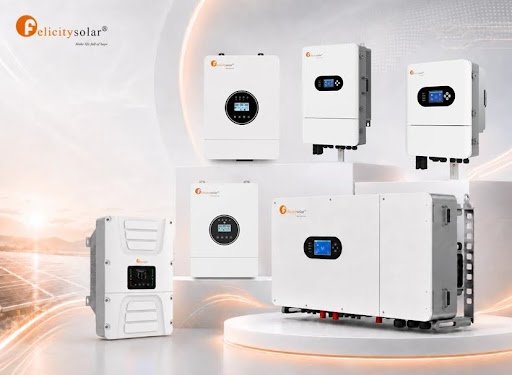
An inverter lithium battery is a modern energy storage solution designed to provide reliable backup electricity for homes, offices, and businesses. It stores electrical energy and supplies power to compatible inverters when the main electricity supply is unavailable. Compared with many traditional lead-acid batteries, lithium batteries can offer higher usable capacity, faster charging, and a longer cycle life, depending on the model and operating conditions.
With growing interest in solar energy and dependable backup power, inverter lithium batteries have become an important option for households looking to improve energy reliability. Understanding how these batteries work, what features matter, and how to choose the right capacity can help you make a better purchasing decision.
What Is an Inverter Lithium Battery?
An inverter lithium battery is a rechargeable battery that stores electricity for later use through a compatible inverter. The battery supplies direct current (DC), which the inverter converts into alternating current (AC) for household appliances.
Many residential systems use lithium iron phosphate batteries, also known as LiFePO4 or LFP batteries. This chemistry is popular for stationary energy storage because it offers a useful combination of cycle life, efficiency, and thermal stability.
A typical system includes battery cells, a battery management system (BMS), electrical protection equipment, and an inverter that supports the battery’s specifications. Some batteries are designed for solar applications, while others are intended for general backup power.
Benefits of Inverter Lithium Batteries
1. Longer Battery Life
Lithium batteries can withstand many charge and discharge cycles when operated within the manufacturer’s recommended limits. Their actual service life depends on temperature, charging practices, discharge depth, and product quality.
For households experiencing frequent power outages, a battery with a longer cycle life may reduce replacement frequency and improve long-term value.
2. Higher Usable Capacity
Many lithium batteries allow a greater proportion of their rated energy to be used compared with conventional lead-acid alternatives. This can help homeowners operate essential appliances without needing an excessively large battery.
However, usable capacity varies between models. Always check the manufacturer’s specifications rather than assuming the entire advertised capacity is available to household appliances.
3. Faster Charging
Lithium batteries can often accept higher charging currents than traditional lead-acid batteries when the charger and battery specifications allow it. Faster charging can be especially useful when electricity is available for limited periods or solar generation is inconsistent.
The charging speed also depends on inverter capacity, battery temperature, state of charge, and the manufacturer’s recommended charging limits.
4. Low Maintenance
Most residential lithium batteries are designed to require little routine maintenance. Unlike flooded lead-acid batteries, they generally do not require regular electrolyte-level checks.
Nevertheless, users should monitor battery alerts, inspect visible connections when safe to do so, and follow the manufacturer’s instructions for operation and servicing.
5. Efficient Energy Storage
Lithium battery systems typically provide good round-trip efficiency, allowing much of the energy used during charging to be recovered during discharge. This is beneficial for homeowners who store solar electricity during the day and use it in the evening.
Actual efficiency depends on the battery, inverter, temperature, and overall system design.
How to Choose the Right Battery Capacity
Battery capacity determines how much energy can be stored, but the correct size depends on your household’s electricity consumption.
Capacity is commonly expressed in kilowatt-hours (kWh) or ampere-hours (Ah). Kilowatt-hours measure energy, while ampere-hours measure electrical charge and must be considered alongside battery voltage.
For example, a battery rated at 5 kWh stores a nominal five kilowatt-hours of energy. The amount delivered to AC appliances will be lower after accounting for discharge limits and inverter losses.
To estimate your needs, list the appliances you want to operate during a power outage. Calculate their approximate energy consumption by multiplying their power rating in kilowatts by their operating hours.
For instance, appliances consuming an average of 500 watts for eight hours use approximately 4 kWh of electricity. You would generally need more than 4 kWh of nominal battery capacity to cover system losses and maintain an appropriate reserve.
Consider lights, fans, refrigerators, internet equipment, and other essential devices separately. Air conditioners and water pumps may require significantly more energy and higher starting power.
Check Inverter Compatibility
Not every lithium battery works with every inverter. Compatibility is one of the most important considerations before purchasing a battery for an existing solar or backup system.
Check the battery’s nominal voltage, permitted charging current, discharge limits, and supported communication protocols. Some batteries communicate with inverters through CAN or RS485 connections, allowing the equipment to exchange information about battery status and charging requirements.
If your inverter does not support the proposed battery, you may need additional equipment or a different inverter. Confirm the manufacturer’s compatibility list and installation requirements before placing an order.
A qualified installer can assess your existing system and recommend a suitable battery configuration.
Lithium Battery vs. Lead-Acid Battery
Lithium and lead-acid batteries can both provide backup electricity, but they differ in several important areas.
Lithium batteries often provide higher usable capacity, faster charging, and longer cycle life. They can be particularly suitable for systems that undergo frequent daily charging and discharging.
Lead-acid batteries generally have a lower initial purchase price, making them attractive to buyers with limited budgets. However, their usable capacity and lifespan can be more sensitive to deep discharge and charging practices. Flooded lead-acid batteries also require additional maintenance.
The best option depends on the upfront budget, expected usage, replacement costs, and availability of local service. Comparing total ownership costs provides a more realistic picture than comparing purchase prices alone.
Can a Lithium Battery Work With Solar Panels?
Yes. A compatible inverter lithium battery can store surplus electricity produced by solar panels and supply that energy when sunlight is unavailable.
During the day, solar panels generate electricity for household appliances. Excess production can charge the battery when the system is configured for energy storage. After sunset, the battery can power compatible loads and reduce the need to purchase electricity from the grid.
A hybrid inverter can manage solar generation, battery charging, household consumption, and grid electricity within its supported operating modes.
If you need backup power during a grid outage, verify that the inverter supports this function. Standard grid-tied systems generally shut down during outages unless appropriate backup equipment and electrical isolation are installed.
Important Safety Considerations
Correct installation is essential for battery performance and household safety. Choose a battery that meets relevant safety requirements and follow the manufacturer’s instructions for installation and operation.
Place the battery in a location that satisfies its specified temperature, moisture, clearance, and ventilation requirements. Use appropriately rated cables, circuit breakers, disconnects, and other protective equipment.
Never bypass the battery management system or use incompatible charging settings. Avoid physical damage, unauthorized modifications, and exposure to conditions outside the battery’s approved operating range.
A qualified installer should commission the system, verify inverter settings, and explain how to monitor battery performance. If the battery develops unusual heat, swelling, odors, or repeated fault warnings, stop using it if safe to do so and seek professional assistance.
How to Maintain Battery Performance
Although lithium batteries generally require limited maintenance, a few practical steps can help preserve their performance.
Keep the battery within its recommended operating temperature range and use the charging settings specified by the manufacturer. Avoid leaving the battery discharged for extended periods unless the manufacturer provides different storage instructions.
Monitor the battery management system for warnings and review available performance data regularly. Check that the surrounding area remains clean and dry and that ventilation or clearance requirements are maintained.
Follow the recommended procedure for long-term storage and arrange professional inspections when necessary. Good operating practices can help the battery achieve its expected service life.
Is an Inverter Lithium Battery Worth It?
An inverter lithium battery can be a practical investment for homeowners who experience frequent power interruptions, want dependable backup electricity, or plan to store solar energy for evening use.
Before purchasing, compare battery capacity, inverter compatibility, charging speed, warranty coverage, and local technical support. Consider the total installed cost, including protective equipment and any required inverter upgrades.
The best battery is not necessarily the most expensive one. It is the model that safely meets your household’s energy requirements, works with your existing equipment, and offers suitable long-term value.
By assessing your actual electricity consumption and choosing compatible equipment, you can build a reliable backup power system that supports essential appliances and makes better use of available solar energy.