
A home solar battery system helps homeowners store electricity generated by solar panels and use it when sunlight is unavailable. It can improve energy independence, reduce reliance on the utility grid, and provide backup power during outages. Choosing the right system depends on household electricity consumption, battery capacity, and the appliances that need power.
How a Home Solar Battery System Works
During daylight hours, solar panels convert sunlight into electricity. The home uses this electricity first, while excess energy can charge the battery. When solar production decreases in the evening or during cloudy weather, the battery supplies stored electricity to connected appliances.
A typical home solar battery system includes:
- Solar panels: Generate electricity from sunlight.
- Battery storage: Stores surplus electricity for later use.
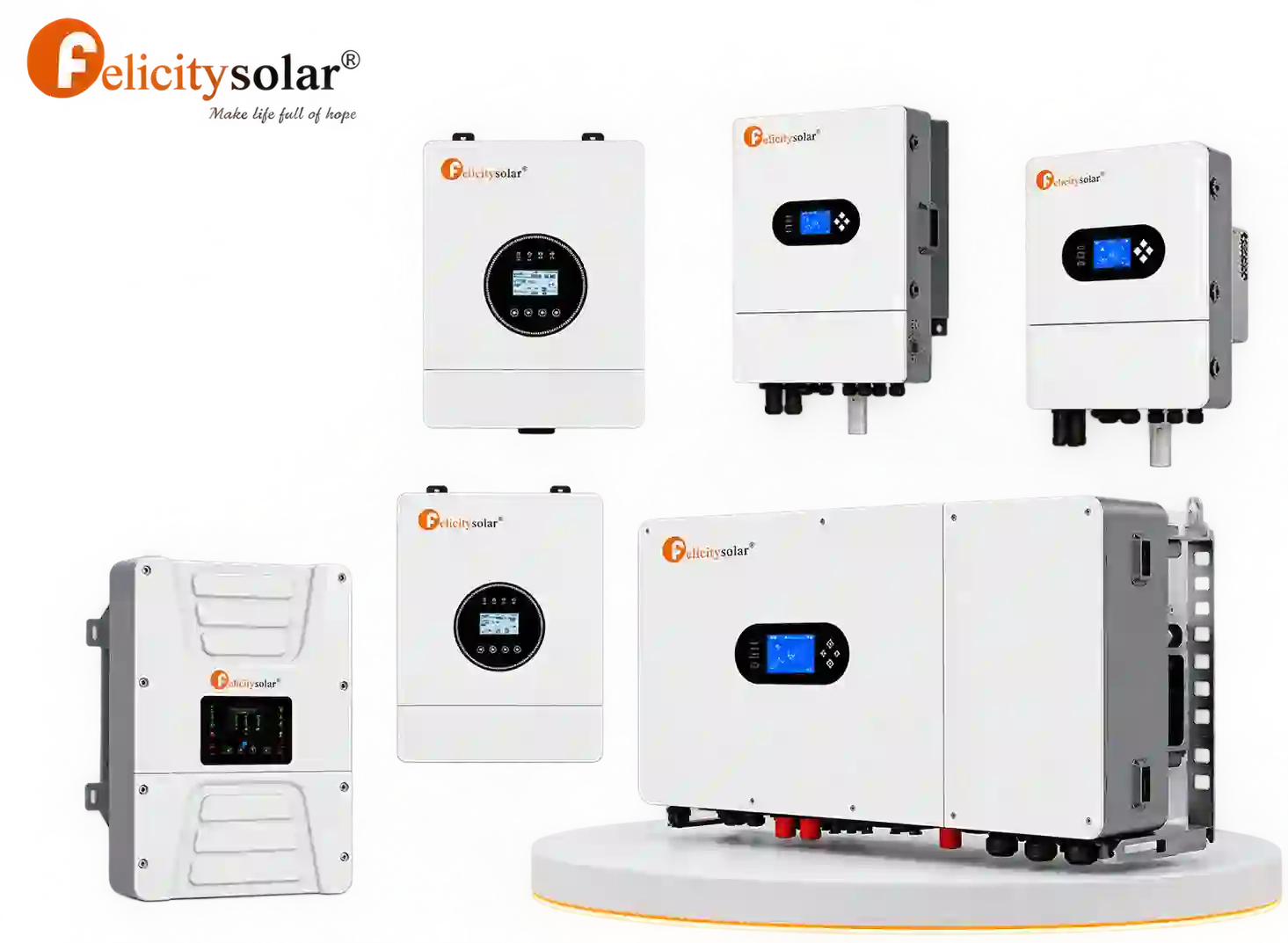
- Inverter: Converts electricity into the form required by household appliances.
- Monitoring system: Helps homeowners track energy generation, consumption, and battery charge.
Some systems operate alongside the utility grid, while others are designed for off-grid properties.
Benefits of Installing a Solar Battery
One major advantage is access to stored electricity after sunset. Instead of relying entirely on grid electricity during evening hours, households can use energy collected during the day.
A solar battery can also provide backup power during outages if the system supports backup operation. Depending on its capacity, it may run essential appliances such as lights, fans, routers, refrigerators, and selected medical equipment.
Another benefit is improved energy management. Homeowners can monitor electricity usage and decide when to charge or discharge the battery, depending on their energy needs and local electricity tariffs.
How to Choose the Right Battery
Before purchasing a home solar battery system, calculate the electricity consumption of the appliances you want to operate. Check both the total energy required and the maximum power those appliances draw at the same time.
Battery capacity is measured in kilowatt-hours (kWh), while inverter output is measured in kilowatts (kW). A battery with sufficient capacity may still be unsuitable if its inverter cannot support the household’s peak power demand.
Lithium iron phosphate (LiFePO4) batteries are popular because they generally offer long cycle life and good thermal stability. However, compatibility, warranty, operating temperature, installation quality, and safety protections should also influence the decision.
Conclusion
A home solar battery system can make solar energy more useful by storing surplus electricity for nighttime consumption and selected backup needs. Assess your daily energy requirements, compare usable battery capacity, and confirm inverter compatibility before investing in a system.