
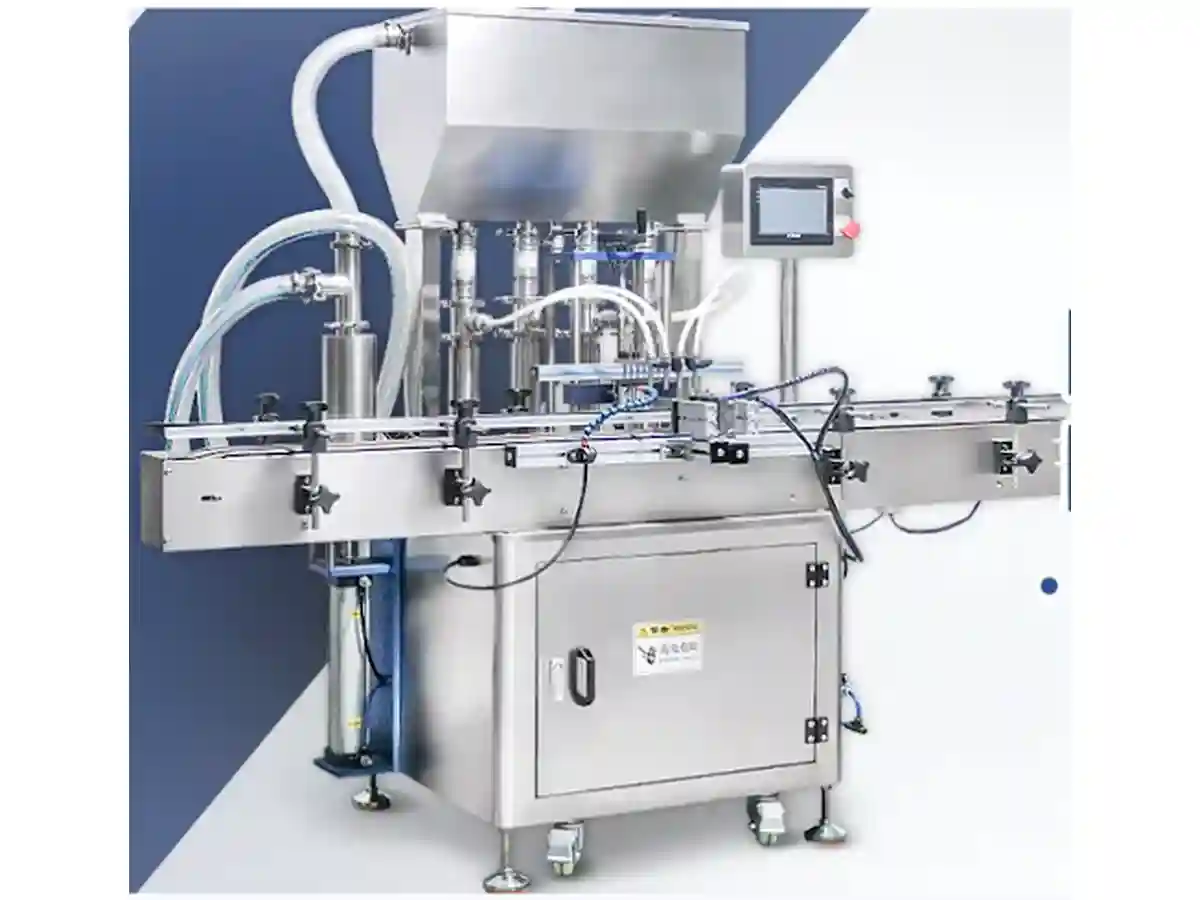
Manufacturers need packaging processes that deliver consistent products without unnecessary delays or material waste. An automatic filling machine can help businesses achieve these goals by controlling the dispensing process and reducing the amount of repetitive manual work required.
The benefits vary according to the product, machine design, and production environment, but well-planned automation can support a more organized manufacturing operation.
Faster and More Organized Production
Manual filling can become time-consuming when a business needs to package large quantities of products. Workers must repeatedly measure, dispense, and position containers, which can limit output.
An automatic filling machine performs repeated filling cycles according to its configured settings. When integrated with container-feeding equipment and conveyors, it can help keep the packaging line moving more consistently.
Actual production speed depends on the filling method, container size, product characteristics, and performance of connected equipment. Manufacturers should evaluate realistic operating output rather than relying only on advertised maximum speeds.
Better Filling Consistency
Consistent fill quantities help businesses maintain product quality and manage material costs. Automated systems can control dispensing according to defined settings, reducing variation caused by repetitive manual work.
However, consistent results still depend on correct calibration and suitable operating conditions. Changes in product temperature, viscosity, foam, or container positioning may affect performance.
Regular inspections and measurement checks help confirm that the machine continues to operate within the required limits.
Less Product Waste
Overfilling can increase raw-material expenses, particularly when products contain expensive ingredients. Underfilling may result in rejected packages, customer complaints, or regulatory concerns.
A suitable automatic filling machine can help control the amount dispensed into each container. Monitoring filling results allows operators to identify variation and make verified adjustments.
The amount of waste reduction depends on the previous process, the product’s value, production volume, and the accuracy of the installed system.
Improved Labor Allocation
Automation can reduce the need for employees to perform repetitive dispensing tasks manually. Staff may instead focus on quality inspection, material preparation, machine monitoring, and production coordination.
Operators remain important because the equipment requires correct setup, cleaning, inspection, and maintenance. Training helps workers identify faults and respond to interruptions safely.
Easier Integration With Packaging Equipment
Filling equipment can be connected with capping machines, sealers, labeling systems, conveyors, and inspection devices. An integrated line can reduce manual transfers and help coordinate packaging stages.
Before installation, manufacturers should confirm that the equipment has compatible controls, container handling, and production speeds. Otherwise, a slower downstream machine may limit the output of the entire line.
More Predictable Operations
A properly selected machine can make filling procedures easier to standardize. Documented settings, scheduled maintenance, and regular quality checks help production teams follow repeatable procedures.
Businesses should also consider spare-part availability, cleaning time, energy consumption, and technical support when calculating the long-term value of automation.
Conclusion
An automatic filling machine can support faster production, more consistent filling, and better control over product waste. Its effectiveness depends on choosing equipment suited to the product and maintaining it according to the manufacturer’s recommendations. With appropriate planning, training, and quality checks, filling automation can become a valuable part of a dependable manufacturing process.