
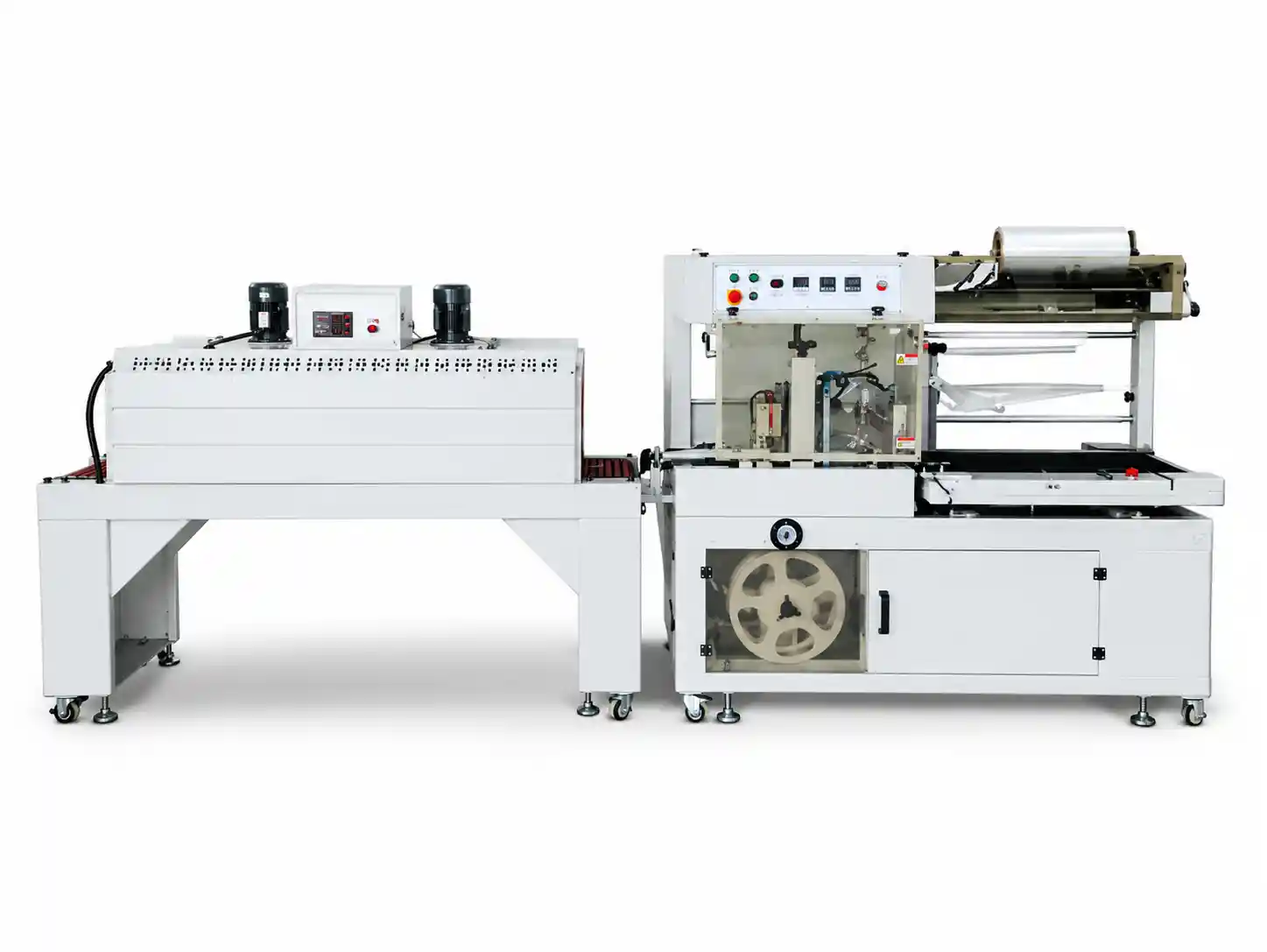
Regular maintenance is essential for keeping an automatic wrapping machine operating safely and consistently. Packaging equipment may run for many hours each day, and worn components, incorrect settings, or contaminated sensors can interrupt production.
A planned maintenance routine helps businesses identify developing problems before they cause major delays. It can also support consistent packaging quality and extend the useful life of suitable machine components.
The maintenance tasks required depend on the machine’s design, operating environment, and packaging materials.
Why Maintenance Matters
An automatic wrapping machine depends on several components working together. Film must feed correctly, products must be positioned accurately, and the control system must coordinate the wrapping cycle.
If a roller becomes damaged or a sensor fails to detect a product, the machine may stop or produce incomplete wrapping. Worn belts, loose components, and material buildup can also affect performance.
Unexpected stoppages may interrupt the packaging line and delay orders. Preventive maintenance helps reduce avoidable downtime by identifying problems during planned inspections.
Daily Operator Checks
Operators should perform the checks specified in the machine manual before starting production. These may include inspecting the film path, checking visible components, confirming that guards are in place, and verifying that emergency stops and other safety devices are functioning according to the approved procedure.
The work area should remain clean and free from loose packaging material that could interfere with conveyors or moving parts.
Operators should also confirm that the correct film and machine settings are being used for the current product. Incorrect material dimensions or unsuitable settings may cause film breaks, loose wrapping, or unnecessary waste.
Any unusual noise, vibration, repeated alarms, or visible damage should be reported to the responsible maintenance team.
Cleaning and Inspection
Dust, adhesive residue, and small pieces of packaging material can accumulate around rollers, sensors, and film handling mechanisms. Cleaning should follow the manufacturer’s instructions and use approved products.
Sensors should be inspected carefully because contamination or misalignment may affect product detection. Rollers and guides should be checked for damage that could interfere with film movement.
Cleaning must never expose employees to unguarded moving parts. Before reaching into hazardous areas, staff should follow the required shutdown and energy-isolation procedures.
Checking Wear Components
Belts, rollers, bearings, cutters, and other moving components may require periodic inspection or replacement. The exact schedule depends on the machine and the manufacturer’s recommendations.
Film cutting systems deserve particular attention because a worn or incorrectly adjusted cutter may leave film tails or prevent the wrapping cycle from finishing correctly.
Drive components should be inspected for signs of wear, abnormal movement, or loose connections. Repairs should be carried out by authorized personnel using appropriate replacement parts.
Replacing components only after a failure can increase downtime, so a planned replacement schedule may be beneficial for parts with predictable service lives.
Troubleshooting Common Problems
Film breaks frequently: Check whether the film is suitable for the machine, whether the roll is damaged, and whether tension settings are appropriate. Inspect rollers and guides for sharp edges or other damage.
Loads are wrapped loosely: Review the wrapping program, film tension, overlap, and number of rotations. Check whether the load itself is stable and arranged correctly.
The machine does not start: Review the displayed alarm and follow the approved troubleshooting procedure. Check that safety guards and interlocks are correctly engaged. Do not bypass safety systems.
Products are not detected: Inspect the relevant sensors for contamination, obstruction, or misalignment. Sensor adjustment should be performed according to the manufacturer’s instructions.
Repeated faults should be investigated rather than treated as isolated incidents.
Maintenance Records and Staff Training
A maintenance log helps track inspections, faults, replacement parts, and repair dates. These records can reveal recurring problems and help managers plan service work around production schedules.
Operators should receive training on normal operation, safe shutdown, material changes, and fault reporting. Maintenance personnel may require additional training for electrical, mechanical, or control-system work.
Clear responsibilities help prevent small issues from being ignored and reduce the risk of unauthorized repairs.
Planning Preventive Maintenance
The maintenance schedule should be based on the machine manual, operating hours, production intensity, and environmental conditions. High-use equipment may require more frequent inspections than machines used occasionally.
Businesses should keep essential consumables and recommended spare parts available where practical. Supplier support can also be important when a fault requires specialized tools or technical knowledge.
Before restarting a machine after maintenance, authorized staff should verify that tools have been removed, guards are restored, and the equipment is safe to operate.
Conclusion
Maintaining an automatic wrapping machine involves regular inspection, proper cleaning, timely replacement of worn components, and clear operating procedures. A preventive approach helps reduce avoidable downtime and maintain packaging quality. Following the manufacturer’s guidance and prioritizing worker safety are essential parts of a dependable maintenance program.