
For any internet user, having their computer hacked is an unsettling issue. According to estimates, foreign attacks have caused about 75% of all breaches. However, due to hacking techniques becoming more advanced, safeguarding your personal data is becoming progressively difficult. Recently, smartly constructed HTML emails have made it easy to steal even Google accounts employee desktop monitoring software like Controlio. Because sophisticated hacking software can record every step you make, internet users should exercise even greater caution while utilising computers at internet café centers (Wi-Fi locations).
These are the techniques that are mostly utilized during the hacking attacks as per the latest web incident hacking reports. The way of hacking is becoming very advanced with the advance in technology. Thus, it is very important to be aware of smart ways of protecting your personal information from any kind of hacking.
The below mentioned actions may help you to prevent from any kind of hacking:
Most importantly, never log in to the banks or emails on any unsecured computer. Instead, conduct internet transactions on a personalised, highly secure PC.
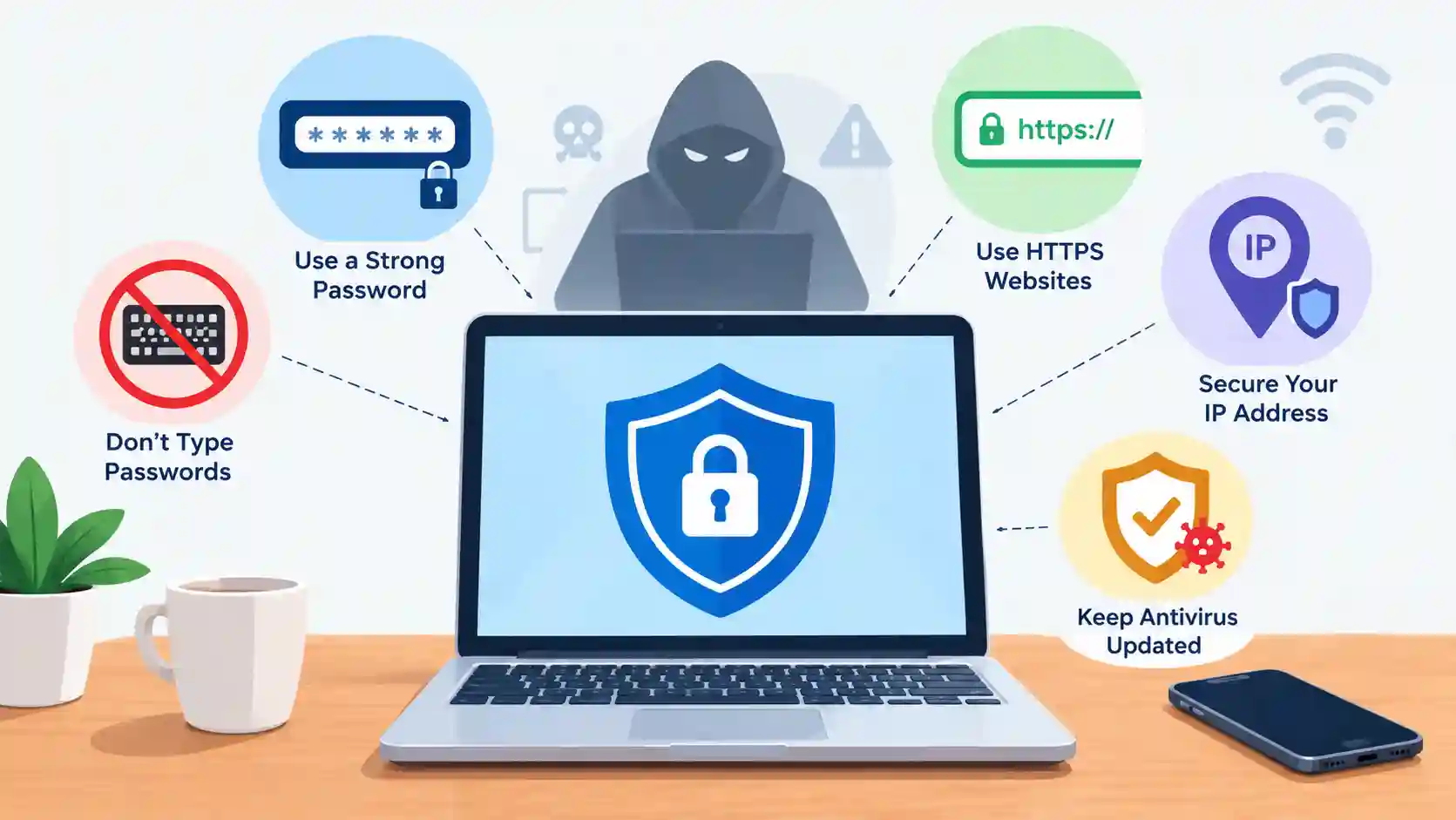
Next, make a secure password:
Simple passwords that are derived from dictionaries are easier for hackers to track down. These days, sophisticated hacking tools are available to quickly crack the password. Therefore, you must make passwords that are hard to figure out and contain at least 12 characters. Combining numbers to create your password can also be more effective than using just characters.
Never enter your password by hand:
A “key logger” is a computer program that will keep a record of all the keystrokes done on the computer. Therefore, instead of entering the password, just copy and paste it. In case you have to enter the password, enter it in the note pad, copy it, and paste it.
Do not enter passwords on sites which do not have https:
Websites that are not secure only contain “http” tags instead of “https,” where the “s” stands for secure. Your data could be readily compromised without your knowledge if you enter information on non-https websites.
IP-address security:
In order to gain access to the websites you have put to your list, you can also install IP-address protection software. This can stop unauthorised software or websites from accessing your accounts.
Protect your computer:
Installing top-notch antivirus software that is strong enough to stop harmful malware from accessing your computer’s information will improve computer security. To protect your computer against a variety of viruses and Trojan horses that are frequently generated, regular upgrades are essential.